


This Case Study discusses the implementation of a GroundProbe Australia RGR-Velox Doppler Radar system during a major Tailings Storage Facility construction project by Spectrum Consultants. The project aimed to enhance safety and monitoring capabilities in a complex and congested environment. This paper discusses the requirements of the system, the design intent, the successes and failures experienced during implementation and operation, outcomes and key learnings.
The Doppler Radar system was selected based on a thorough Failure Modes Event Analysis and estimated potential failure speeds. Recent TSF failures from around the world were researched to identify failure modes and speeds. Desktop Studies were conducted to identify evacuation routes with consideration of planned construction activities, run-out models, topography and existing factors of safety. Evacuation routes and response times were tested via controlled trials and mock emergencies to determine the required alarm warning times and minimum notice timeframes.
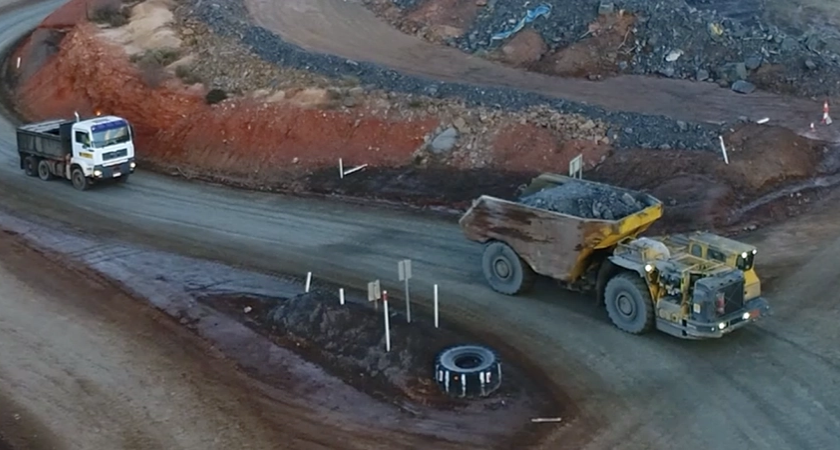
The radar was to monitor an embankment under active construction, which included light vehicles, heavy mobile plant, frequent UAV activity, low-flying aircraft, abundant wildlife, and personnel on foot. The system was required to be automated and to be integrated directly with the site UHF radio system, removing human interaction between trigger and alert. Alerts and alarms were to be broadcast via both the Digital UHF radio system and email. Establishing the system involved determining alarm thresholds based on failure modes and with consideration of normal construction activities. False alarms were to be avoided by defining failure mode direction of travel, particle size, and speed, and by considering the mobile fleet operating in the area.
The radar system was implemented to monitor the embankment, and thresholds and alarms were established after a period of commissioning. However, several technical challenges were encountered. Integration with the communications network proved problematic, requiring extensive hardware and software upgrades to the radio system. Automation was not achieved, necessitating constant monitoring by personnel to activate alarms. Additionally, the integration of automated email alerts was not accomplished, requiring additional software and third-party emailing services. Technical Support from Groundprobe Australia throughout the commissioning process was useful, if limited.
Despite the challenges, the radar system worked well, and thresholds and alarms were simple to establish after commissioning. The paper discusses the successes and failures of this implementation, highlighting the technical challenges faced and the solutions employed to overcome them.


